Wildlife Route Planner for Yellowstone + Grand Teton
Know Where to Start.
Let the Wildlife Adventure Follow.
Build a Wildlife Route Around the Day You Actually Have.
Planning a Yellowstone or Grand Teton trip?
Tell the planner where your day begins, which wildlife matters most,
and how much time you have. It builds a practical route with a clear
first move, firsthand field context, written directions, scenic
stops, and a backup if the day changes.
No account or card for the sample. One payment for both parks.
Lifetime access. 30-day money-back guarantee.
Save Your Route Before Cell Service Disappears.
Save the finished route as a PDF before you drive. Once it is
saved to your phone, the route, written directions, stops, and
field notes stay with you.
Use a separate offline maps app for turn-by-turn navigation.
14 years in the parks
Hundreds of firsthand field observations
Not live tracking. Wildlife sightings are never guaranteed.
The same planner works for Yellowstone + Grand Teton
See What You Get
Turn a Moose Day Into a Plan You Can Actually Follow.
Choose Grand Teton, tell the planner where your day
begins, make moose a priority, and add the time you
have. Instead of opening a map and wondering what to do next, you get
a practical route built around those choices.
01
Where your day begins
02
Moose as a wildlife priority
03
The time you actually have
04
A clear first move + backup plan
From there, the planner adds recent dated field observations,
firsthand field notes, directions, scenic stops, and another move when
traffic, weather, crowds, or quiet wildlife change the day.
These are not the only things the planner helps with. They are
the four choices that tell it how to shape your day. From there,
it adds recent moose observations, field notes, directions, scenic
stops, safety guidance, and a backup move.
01
Starting Point
Where should you start looking?
Use where your day begins, the time you have, and firsthand
field context to choose a practical first move instead of
crisscrossing the park.
02
Timing
When should you make the move?
Build around the better wildlife hours and the time you
actually have instead of burning the morning or evening
guessing where to go.
03
Field Context
What should you look for once you arrive?
Use habitat, moose behavior, seasonal patterns, recent
observations, and firsthand field notes to understand what
matters once you arrive.
04
Backup Move
What if the first area is quiet?
Have another move ready when wildlife, traffic, weather, or
crowds change the plan, so you are not starting over from
scratch.
Packy Savvenas
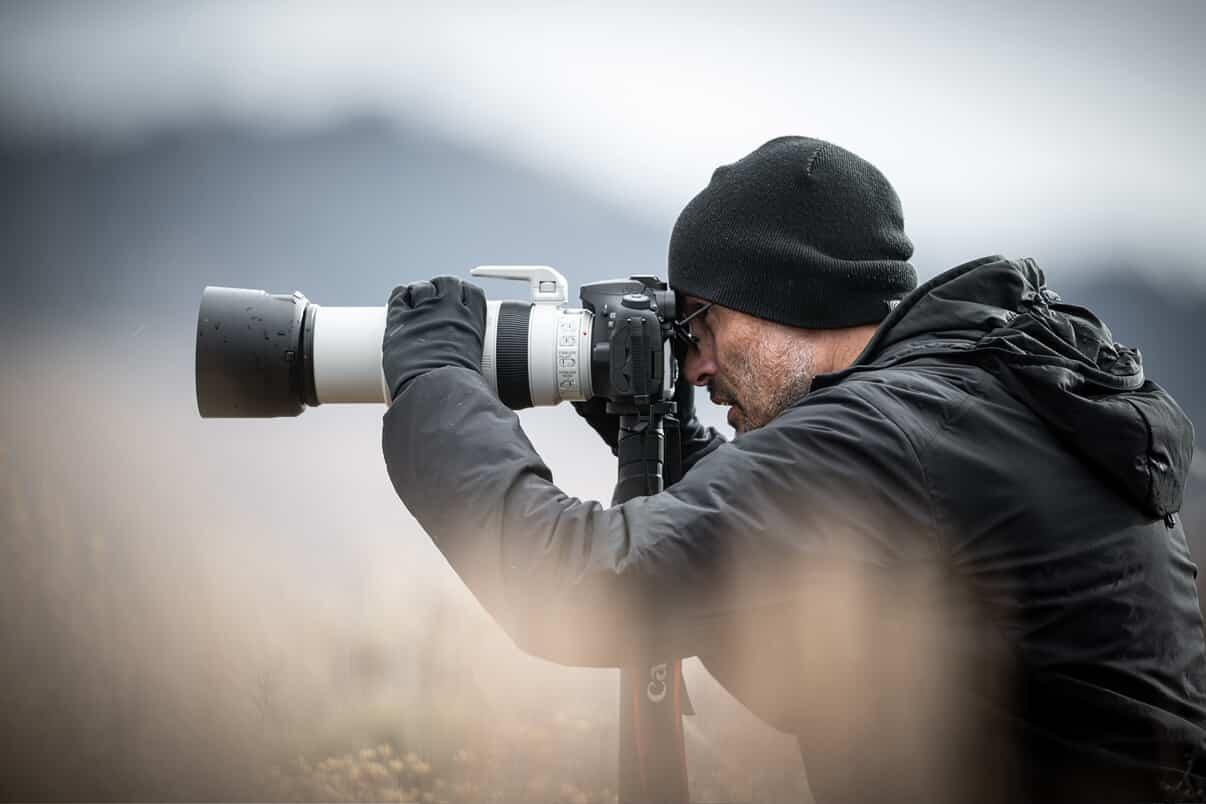
Professional wildlife photographer, tracker, and creator of Where The Wild Beasts Roam
Built From the Field
This Is Field Knowledge, Not Another List of Pins.
Where The Wild Beasts Roam is built from 14 years in Yellowstone
and Grand Teton and thousands of days watching how wildlife uses the
landscape. That field experience is turned into something you
can actually use when you are deciding where to begin, what to watch
for, and what to do when the first move changes.
14 Years
Learning these parks in the field
Thousands
Of field days behind the planner
Firsthand
Dated wildlife observations and field notes
Habitat and seasonal context that helps you read moose country
Timing and behavior cues that help you know what matters
Recent dated observations instead of undated popular-stop lists
Responsible viewing context so the animal still gets room
The planner does not live-track wildlife or promise a sighting. It gives
you a smarter place to begin and better field context once you get there.
Your finished wildlife plan
Moose + Scenic Loop
PDF
Park
Grand Teton
Start
Jackson
Time
3–4 hours
Why this route fits
Route directions
1
2
3
Backup move
A second move when traffic, weather, crowds, or wildlife change the day.
WTWBR
Route ready
Your wildlife route
Moose + Scenic Loop
Grand Teton
3–4 hours
Why this route fits
Built around moose, timing, your starting point, and the time you have.
Begin with a clear first move, then keep scenic stops in the day.
1
First move
2
Route directions
3
Backup move
Save as PDF
Phone
PDF
Print
Built to Go With You
Leave With a Plan,
Not Just a Map
Your finished wildlife plan gives you a clear first move, why the route
fits, directions, scenic stops, field context, and a backup when the day
changes. Open it on your phone, save it as a PDF, or print it
before you drive. When cell service drops, your plan is still
with you.
The Route Is the Beginning. The Moment Is the Reason.
The planner gives your day direction, then leaves room for the park to
surprise you. The goal is not to get closer. It is to know where to look,
when to stop, and how to give wildlife room to stay wild.
DrivePauseWatch
View Photo
1 · Follow the Route
Begin the day with a clear direction
View Photo
2 · Make the Stop
Leave room for the places along the way
View Photo
3 · Stay and Watch
Sometimes the reason for the drive steps into view
1 / 3
You Probably Already Have a Map
A Map Shows You Where Things Are. This Helps You Decide What to Do.
Keep the tools you already use. Where The Wild Beasts Roam is
built for the decision the other tools leave to you: where
should your wildlife day actually begin, and what should you do next?
Official Park Tools
Maps, alerts, closures, services
Essential official information for navigating the park and checking
current conditions before you drive.
Tours + Guides
Narration, places, things to notice
Useful context and sightseeing information while you move through the
park.
WTWBR
A wildlife day built around you
Your starting point, time, wildlife priorities, recent firsthand
observations, field context, directions, scenic stops, and a backup
move become one practical plan.
You do not need another map.
You need a better first move and enough context to know what to do when
the park does not follow your plan.
Both parks. One clear wildlife plan.
Build a Better Wildlife Day Before You Hit the Road.
Get the full wildlife route planner for
Yellowstone and Grand Teton.
Tell it where you are starting, which wildlife matters most, and how
much time you have. It gives you a practical route with recent field
context, directions, scenic stops, and a backup move.
What you get right now:
A route shaped around where you start, what you want to see, and the time you have
Recent wildlife observations, firsthand field notes, filters, and directions
Scenic and historic stops that make sense along the route
A finished wildlife plan for your phone, PDF, or print
Lifetime access and future core updates with no renewal fee
Two expert field guides included
Hard-Earned Field Knowledge You Can Take With You
Written by professional wildlife photographer and experienced
tracker Packy Savvenas, these downloadable guides share field cues,
tracking habits, and photography techniques learned through
14 years and thousands of field days.
Built for responsible wildlife planning.
The planner helps you choose where to begin, what to watch for, and
when to move on. It does not track live animals or promise a sighting.
The Wildlife-First Way
Find the Wild. Let It Stay Wild.
The planner does more than point to wildlife. It helps you read the
country, use safe pullouts, give animals room, and know when to move
on. You get a better wildlife day without taking the wild out
of it.
Read the Country
Use Safe, Legal Pullouts
Give Wildlife Room
Know When to Move On
Straight answers
A Few Things to Know Before You Go.
The planner helps you build a practical wildlife day, understand the
country, and make better choices around animals.
It does not track live wildlife or guarantee a sighting.
Give wildlife room and check official park conditions before every drive.
Stay at least 25 yards from most wildlife and 100 yards from bears
and wolves. Roads, closures, weather, alerts, and access can change.
What do I get for the one-time $29 payment?
One $29 payment gives you lifetime access to the Yellowstone and
Grand Teton planner. Build a route around where you start, what you
want to see, and how much time you have, or open the full map and
choose every stop yourself.
You also get
914 dated wildlife field entries
,
firsthand field notes, filters, directions, scenic and historic
stops, a finished plan you can save or print, two downloadable field
guides, and future core planner updates. There is no subscription
or renewal.
How does the planner support responsible wildlife viewing?
The planner uses habitat, season, timing, recent field observations,
legal pullouts, and firsthand field context instead of sending
everyone toward a live pin. It helps you know where to look, what
behavior to watch for, when to give more room, and when to move on.
The goal is simple:
help you find the wild without taking the wild out of it.
Are the wildlife entries live?
No. Every entry is dated and added after fieldwork to show what has
been happening in the parks. Some observations may be delayed or
made less precise so one animal does not become a destination for a
crowd.
Wildlife moves, so no field entry or suggested route can guarantee
a sighting.
What if I have no idea where to begin?
Tell the planner which park you are visiting, where your day begins,
which wildlife matters most, how much time you have, and when you
plan to go. It turns those choices into a practical route with a
clear first move, directions, scenic stops, field context, and a
backup when the day changes.
Can I choose every stop myself?
Yes. Open the full map, choose Yellowstone or Grand Teton, and
select the wildlife you care about. Then use filters, field entries,
notes, directions, and scenic and historic Places to Explore to
shape the route your way.
What happens when I lose cell service?
Save your finished route as a PDF on your phone or print it before
you drive. Once the PDF is saved to your device, your plan stays
with you even when cell service is weak or unavailable.
The saved plan includes your first move, why the route fits,
directions, scenic stops, field context, and a backup move.
Is Where The Wild Beasts Roam part of the parks or a charity?
No. Where The Wild Beasts Roam is an independent wildlife-planning
business. It is not affiliated with or endorsed by the National
Park Service, Yellowstone National Park, or Grand Teton National
Park.
Your $29 payment purchases lifetime planner access. It is not a
donation or a tax-deductible contribution. Your purchase supports
continued fieldwork, route updates, product development, and free
wildlife-safety education.
What does the 30-day guarantee cover?
If the planner does not help you build a clearer wildlife plan for
your trip, email within 30 days of purchase for a refund. The
guarantee covers the planning product, not whether wildlife appears
during your visit.
Ready for Your Moose Day?
Your Moose Day Is Coming. Know Where You’re Starting.
Build the plan before you start driving. Get a clear first move,
recent firsthand field context, directions, scenic stops, and a backup
when the day changes. Then take the finished plan with you on your phone,
as a PDF, or in print.
✓
Moose-focused planning plus the full planner for both parks
✓
Lifetime access with no renewal
✓
30-day money-back guarantee
StartRoute endCalculating drive time…Flexible
ClusterSample field entry
Wildlife Planning AssistantRoute help, not live tracking
How can I help you plan?
I can help you choose a park, pick wildlife, understand routes, and plan where to start. This map is delayed by design and is built for planning, not live animal tracking.
Sample map preview
These entries are examples only. They are not current sightings.
Get the free
Where Do I Start?
field guide for Yellowstone and Grand Teton. Pick your park,
know which road to start on, and have a backup plan before
you head out.
I’ll also send occasional field notes, photography tips,
and practical park updates.
✓
Know which park to start in, which road to take first,
and what to do if wildlife isn’t moving.
Practical planning help, not live wildlife tracking or a promise of sightings.